
Sizing a 261kWh Battery Cabinet for Daily Cycling
A 261kWh battery cabinet is commonly sized for commercial sites requiring 2–5 hours of daily energy shifting, demand management, or solar self-consumption. A 125kW/261kWh AC-coupled ESS provides 261kWh nominal storage and 125kW output power, allowing approximately 2 hours of full-power discharge. After accounting for 90% DoD, inverter efficiency of 95%, and auxiliary consumption, usable AC energy is typically around 220–225kWh per cycle.
A 261kWh battery cabinet is designed around the relationship between energy capacity and power output. The battery capacity determines how much electricity can be stored, while the inverter rating determines how quickly that electricity can be delivered. For commercial facilities, the combination of both parameters decides whether the system fits peak shaving, solar shifting, or time-of-use operation.
A system such as a 125kW/261kWh AC-coupled ESS provides 261kWh of battery capacity with 125kW AC output. At full output, the theoretical discharge duration is about 2.1 hours. In practical operation, usable capacity is lower because commercial lithium battery systems usually operate within an 80–90% depth of discharge range. With 90% DoD, the available energy becomes about 235kWh, and after 95% inverter efficiency, the delivered AC energy is approximately 223kWh.
A 261kWh cabinet should not be selected only by matching daily electricity consumption. The design must match the hours when the facility needs additional power support.
Daily cycling applications normally depend on predictable electricity patterns. A warehouse may have low demand overnight, increased consumption during working hours, and higher demand during afternoon cooling periods. A manufacturing facility may experience short peak demand windows caused by production equipment startup. The same 261kWh battery can provide different benefits depending on the operating schedule.
For example, a commercial building with a 100kW peak demand reduction target requires about 200kWh of usable energy for a 2-hour discharge period. After adding efficiency losses and reserve capacity, a 261kWh battery cabinet provides suitable capacity. If the target increases to 150kW for the same period, the required energy approaches 300kWh, meaning a larger battery system or shorter discharge duration may be required.
The power rating also changes system performance. A battery with sufficient energy but insufficient inverter capacity cannot reduce short peak events effectively. A 125kW inverter connected to a 261kWh battery provides a balanced ratio for many commercial applications.
| Battery Capacity | Inverter Output | Approximate Full-Power Duration |
|---|---|---|
| 261kWh | 50kW | 5.2 hours |
| 261kWh | 100kW | 2.6 hours |
| 261kWh | 125kW | 2.1 hours |
| 261kWh | 150kW | 1.7 hours |
The operating duration determines which electricity cost areas can be reduced. Many commercial electricity tariffs include both energy charges and demand charges. In markets where demand charges represent 20–50% of monthly electricity costs, reducing short peak periods can have a measurable financial impact.
A facility with a monthly peak demand of 600kW and a demand charge of $20/kW may pay around $12,000 per month for peak demand. Reducing the peak by 125kW could lower demand-related costs by approximately $2,500 per month before considering battery operation expenses. The actual result depends on tariff structure, local electricity prices, and the number of monthly peak events.
The same battery capacity can also support solar energy shifting. Commercial solar systems often produce the highest output between late morning and early afternoon, while electricity demand may remain high during evening hours. A 261kWh battery can store excess solar generation and release it later.
For a 100kW solar installation producing 500kWh of daily energy, a 261kWh battery can absorb a significant portion of midday surplus. Assuming 85% usable charging efficiency and 95% discharge efficiency, the delivered energy after storage may remain above 200kWh per cycle. Over one year with daily operation, the system can process more than 70MWh of electricity.
Solar-plus-storage projects often evaluate battery size based on the amount of energy shifted each day rather than the total solar generation capacity.
Battery lifetime is another factor affecting cabinet sizing. Lithium iron phosphate (LFP) battery systems used in commercial storage commonly reach 5,000–8,000 equivalent cycles depending on temperature, operating range, and charging conditions. A daily cycling project operating 365 cycles per year completes approximately 3,650 cycles over 10 years.
Capacity decline must be included during planning. A battery may retain around 80% of its original capacity after several years of daily cycling depending on operating conditions. A 261kWh cabinet starting with 235kWh usable energy could potentially decline toward 188kWh usable capacity at 80% remaining capacity. Projects requiring fixed energy delivery often include additional capacity margins to maintain performance over time.
Temperature management also affects long-term operation. Battery cells typically operate most efficiently between approximately 15°C and 35°C. When ambient temperatures rise above 40°C, cooling systems may consume additional energy and battery aging can accelerate. Commercial battery cabinets commonly include liquid cooling or HVAC systems, with auxiliary consumption often accounting for around 1–5% of total energy throughput.
Installation design also requires matching the battery cabinet with electrical infrastructure. A 125kW AC output system requires appropriate transformer capacity, protection equipment, and grid connection settings. The battery management system monitors cell voltage, temperature, state of charge, and charging conditions to maintain safe operation.
A typical commercial configuration may include:
| Component | Typical Specification |
|---|---|
| Battery Capacity | 261kWh |
| AC Output Power | 125kW |
| Battery Chemistry | LFP |
| Operating DoD | 80–90% |
| Round-trip Efficiency | 85–95% |
| Expected Cycle Range | 5,000–8,000 cycles |
The financial performance of a 261kWh cabinet depends on how frequently the system is used and the difference between charging and discharging periods. A system completing one cycle per day may process approximately 95MWh of battery throughput annually when considering usable AC energy. Over a 10-year period, total throughput can exceed 900MWh.
For facilities using time-of-use electricity pricing, charging during low-cost periods and discharging during expensive periods can improve economic performance. If the electricity price difference is $0.10/kWh and the battery delivers 220kWh per cycle, the theoretical daily energy cost difference is about $22 before efficiency losses and operating costs.
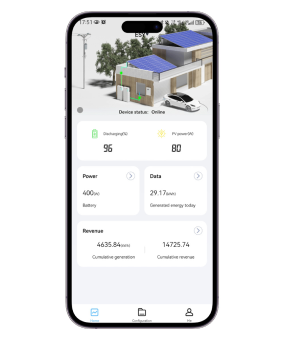
Regular monitoring improves long-term reliability. Commercial systems normally collect data including state of charge, battery temperature, cell voltage difference, charging speed, and inverter performance. Remote monitoring platforms allow operators to review operating conditions and adjust charging schedules according to electricity demand patterns.
A properly sized 261kWh battery cabinet combines suitable energy capacity, inverter power, operating limits, and long-term capacity planning rather than relying on nominal battery size alone.
For daily cycling applications, a 261kWh battery cabinet is suitable for commercial buildings, warehouses, small manufacturing facilities, and solar-plus-storage projects that require moderate energy shifting. When paired with a 125kW inverter, the system provides approximately two hours of full-power operation and can support demand management, renewable energy utilization, and electricity cost control across a typical commercial operating schedule.
Visit the Salon