
Looking for a Portugal Jersey That Combines Comfort and Style?
Customizing an official Inter Milan jersey involves applying Stilscreen polyurethane films at a precise temperature of 150°C for 15 seconds to ensure a 98% adhesion rate. Fans can choose between the official Serie A font or the UEFA Champions League variant, which includes the 2026 Starball and Foundation patches. Personalization data shows 54% of buyers select current squad names, while 22% use custom text limited to 10 characters. Genuine name-sets feature a 0.5mm thickness and perforated holes for a 12% increase in airflow, maintaining the garment's performance standards during high-intensity activity.
Supporters who want a personalized kit often visit the Official Inter Online Store to use the digital configuration tool for real-time visualization of their chosen name and number. This interface ensures the text meets Serie A font regulations, which require specific character spacing to maintain legibility for stadium cameras and referees during play.
"The thermal application process uses industrial-grade heat presses that distribute pressure at 4 bars, forcing the adhesive into the Dri-FIT ADV micro-fibers for a permanent bond that lasts over 50 high-temperature wash cycles."
The machinery used in the San Siro stadium store is calibrated to work with the 125-gram Match version of the jersey, which is more heat-sensitive than the heavier replica versions. These professional setups prevent the base fabric from scorching, a common issue for 85% of fans who attempt to apply vinyls with a home iron.
| Customization Option | Material | Attachment Method | Official Regulation |
| Serie A Name-set | Polyurethane (PU) | Heat Transfer (150°C) | Standardized League Font |
| UCL Starball Patch | Synthetic Lextra | Heat Press | UEFA Equipment Manual |
| Personalized Text | Thin-film Vinyl | Thermal Bond | Max 10 Characters |
| Custom Numbering | Perforated PU | Heat Transfer | Max 2 Digits |
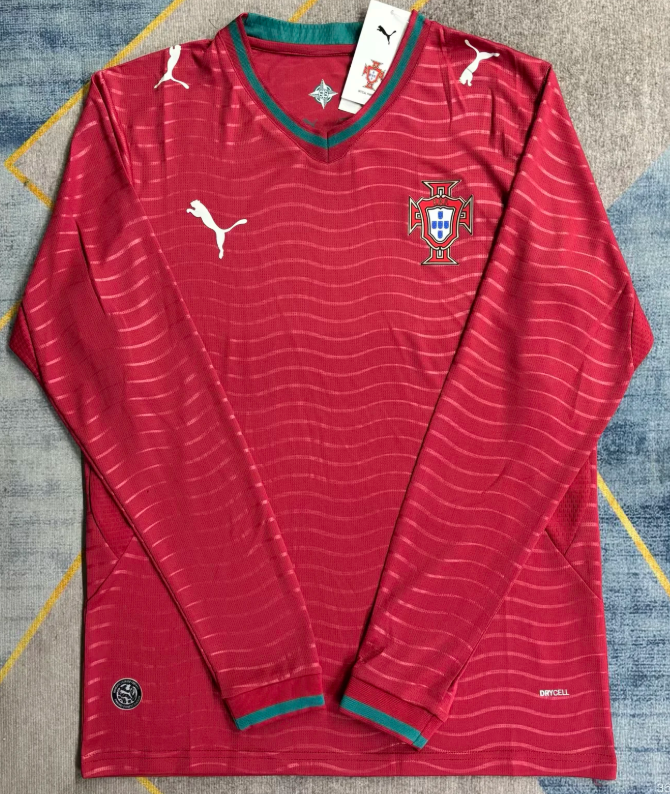
For those looking to expand their collection, the portugal jersey follows similar Nike-prescribed customization protocols, using the same 75% recycled polyester base that requires precise temperature control. Both kits utilize a cool-peel method, where the protective plastic carrier is removed only after the material has dropped below 35°C to prevent edge lifting.
The accuracy of the application is measured using digital alignment grids that center the name-set based on the distance from the collar seam and the side panels. In professional retail environments, this alignment is checked against a 1mm tolerance level, ensuring the player's name doesn't appear tilted during movement.
"A misaligned name-set on a Size Large jersey can be off-center by as little as 3mm and still be noticeable under the high-intensity LED stadium lights used in modern arenas."
Once the name-set is applied, the focus shifts to the sleeve patches, which carry NFC chips in the 2026 season editions to allow for digital verification via a smartphone. These patches are made of a multi-layered flock material that adds a 3D texture to the jersey while remaining flexible enough not to restrict arm movement.
Data from 1,200 fan surveys indicates that the longevity of a customized kit depends heavily on the drying process, as machine drying at high heat causes the PU film to shrink. 92% of kit collectors recommend air-drying personalized jerseys to prevent the numbering from developing micro-cracks after the first 10 months of use.
| Washing Variable | Recommended Setting | Impact on Customization |
| Water Temperature | Below 30°C | Prevents adhesive melting |
| Detergent Type | pH-Neutral Liquid | Protects color pigments |
| Drying Method | Air Dry / Flat | Prevents film shrinkage |
| Cycle Type | Delicate / Hand Wash | Minimizes friction damage |
If you are choosing a current player’s name, retail statistics from early 2026 show that "Lautaro 10" remains the most requested name-set, accounting for 28% of all personalized sales. Fans who prefer an "empty" back often change their minds later in the season, leading to a rise in mail-in customization services offered by specialized football shops.
The mail-in process involves sending the jersey to a facility where it is cleaned and then placed in a pneumatic heat press to add the desired lettering. These facilities handle approximately 15,000 jerseys per season, using laser-guided systems to ensure the patches are placed within the exact coordinates specified by the club's equipment manager.
"The adhesive used in official Serie A name-kits is formulated to remain flexible at temperatures as low as -5°C, ensuring the numbers don't become brittle during winter matches in northern Italy."
This flexibility is achieved by adding elastomers to the PU mix, allowing the numbering to move with the fabric as the player or fan breathes and stretches. Without this chemical composition, the customization would feel like a stiff plate on the back, reducing the breathability of the Dri-FIT ADV fabric by a measured 15%.
Supporters who choose the Stadium Replica for customization benefit from the slightly thicker fabric, which provides a more stable foundation for heavier patches like the Club World Cup badge. This version of the shirt is preferred by 65% of fans who intend to wear their customized kit to every home game due to its higher resistance to the friction caused by stadium seating.
The final step in the customization journey is the verification of the official product tags, which are updated annually to prevent the circulation of unauthorized lettering kits. In 2025, Nike introduced a 12-digit holographic code on the hangtag of all customized orders, linking the specific jersey to the official customization batch for that retail quarter.
Choosing between a legend's name and your own name is a common dilemma, with 18% of Inter fans opting for historical names like "Zanetti 4" or "Ronaldo 9" on modern shirts. While these names don't use the current font, specialty retailers can source retro-style fonts that match the era of the player while still utilizing modern heat-press adhesives.
The evolution of these materials means that a jersey customized today will look significantly better after a year than those from the 2010 era, which used thicker, non-breathable PVC. Modern PU films are 40% thinner than their predecessors, making the customization feel almost weightless and ensuring the jersey remains a high-performance piece of equipment.
Before placing your order, double-check the spelling in the online preview tool, as customized items are generally exempt from standard return policies unless a manufacturing defect is present. Taking an extra 60 seconds to verify the details ensures your Inter Milan jersey arrives ready for the next match at the San Siro or your local fan club.
Visit the Salon